

Most homeowners in the Capital Region think about their roof twice a year: in January when ice dams are forming, and in the spring when something finally goes wrong. By then, what could have been a simple repair has had months to get worse.
A professional roof inspection in Albany, NY is the single most cost-effective thing you can do for your home before problems develop. It takes less than two hours, costs nothing when done through Top Gen Roofing, and gives you an honest picture of exactly what your roof’s condition is so you can make decisions based on real information, not guesswork.
This guide explains what a thorough inspection covers, when you should schedule one, what the findings mean, and what to do next. Written specifically for homeowners in Albany, Clifton Park, Saratoga Springs, Schenectady, Troy, Round Lake, and the surrounding Capital Region.
Top Gen Roofing offers free roof inspections with no sales pressure and no obligation. We inspect, we document, and we explain what we find in plain language.
📞 (518) 633-2477 | Schedule Your Free Inspection
Why Roof Inspections Matter More in the Capital Region
Upstate New York is genuinely hard on roofs. The Capital Region sees heavy snow loads, repeated freeze-thaw cycles, ice dam formation along eaves, driving wind off the Hudson Valley, and summer thunderstorms that bring hail and fallen limbs. Each of those events leaves behind a specific pattern of wear.
The problem is that most of that damage is invisible from the ground. A shingle that lifted and re-seated after a wind event looks fine from the driveway. Flashing that cracked during a temperature swing looks unchanged from the street. Water that entered through a compromised valley may not show up as a ceiling stain for six to twelve months.
By the time damage becomes visible inside the house, it has usually spread beyond the original entry point. What started as a $200 flashing repair has become water-damaged decking, stained insulation, and mold in the attic. According to the National Association of Insurance Commissioners, water damage and freezing account for a significant share of homeowners insurance claims nationally. In Upstate New York, the freeze-thaw cycle makes roofing a primary source of that damage. A professional inspection catches those entry points while they are still inexpensive to fix.
What a Professional Roof Inspection Actually Covers
The word “inspection” gets used loosely in the roofing industry. Some contractors walk around the perimeter and call it done. A thorough roof inspection in the Capital Region should cover every component of the roofing system, both exterior and interior. Here is what Top Gen Roofing examines on every inspection.
Shingles and Roofing Surface
The shingles are the first line of defense. Our inspection looks for curling at the edges, cupping in the center, cracking, blistering, and granule loss. Granule loss is one of the most important findings. When asphalt shingles shed their protective granules, the underlying mat becomes exposed to UV degradation and temperature stress. You will often see granule accumulation in the gutters before you notice anything on the roof surface itself.
We also look for lifted tabs, missing shingles, and shingles that have been re-seated after wind events but are no longer properly sealed. An unsealed shingle is a water entry point waiting for the right storm.
Flashing at Every Penetration
Flashing failures are the leading cause of roof leaks on homes in this area. Flashing is the metal or membrane material that seals transitions: around the chimney, along roof-to-wall joints, at valleys where two roof planes meet, around skylights, and at every vent pipe penetration. Each of those transitions expands and contracts with temperature change. Over time, sealants fail, metal corrodes, and gaps open.
A complete inspection examines every inch of flashing for gaps, rust, lifted edges, deteriorated sealant, and improper installation. In Albany-area homes, chimney flashing and valley flashing are the two places we find problems most consistently. The National Roofing Contractors Association consistently identifies flashing as the most common site of roof failure, and that tracks with what local contractors find across the Capital Region every year.
Gutters and Drainage
Gutters are part of the roofing system. Blocked or poorly pitched gutters back water up against the fascia and soffit, which accelerates wood rot. They also contribute directly to ice dam formation in winter when standing water freezes along the eave line.
We check gutter pitch, fastening, joint integrity, and downspout drainage. We also look at where downspouts discharge. Water deposited against the foundation is a separate but related problem that often traces back to a gutter issue.
Top Gen Roofing also offers gutter installation, repair, and replacement for homeowners who need gutter work addressed at the same time as the roof.
Soffit, Fascia, and Drip Edge
The soffit and fascia boards along the roofline take sustained moisture exposure. We look for wood rot, paint failure, pest entry points, and compromised drip edge. Drip edge that has pulled away from the deck creates a gap that allows wind-driven rain to travel behind the gutter and into the wall assembly.
Roof Deck Condition
Where safely accessible, we assess the condition of the roof deck. Soft spots, bounce, or visible deflection in the decking indicate moisture damage to the plywood or OSB beneath the shingles. Deck damage caught before it spreads can often be addressed in a targeted repair. Deck damage found only at tear-off during a full replacement is more expensive by a significant margin.
Ventilation and Attic Assessment
Roof ventilation is one of the most consistently overlooked issues in Capital Region homes. An attic that cannot breathe traps heat in summer, which accelerates shingle degradation from below. In winter, it creates the temperature differential that causes ice dams along eaves. A properly balanced ventilation system with intake at the soffits and exhaust at the ridge or near the peak is essential for roof longevity in this climate.
We inspect ridge vents, soffit vents, gable vents, and power ventilators where present. From inside the attic when accessible, we look for signs of moisture condensation on the sheathing, mold growth on framing, and evidence of active water intrusion. The U.S. Department of Energy notes that proper attic ventilation is a key factor in both roof longevity and home energy efficiency, which is why it is a required part of any professional inspection.
Chimneys, Skylights, and Pipe Boots
Every protrusion through the roof is a potential water entry point. Chimneys develop mortar cracks and failing crown caps that direct water into the flashing joint. Skylight curbs develop sealant failures. Rubber pipe boots around vent pipes split and crack after UV exposure and freeze-thaw cycling. We check every one of these specifically. They are not incidental to the inspection.
When Should You Schedule a Roof Inspection in Albany?
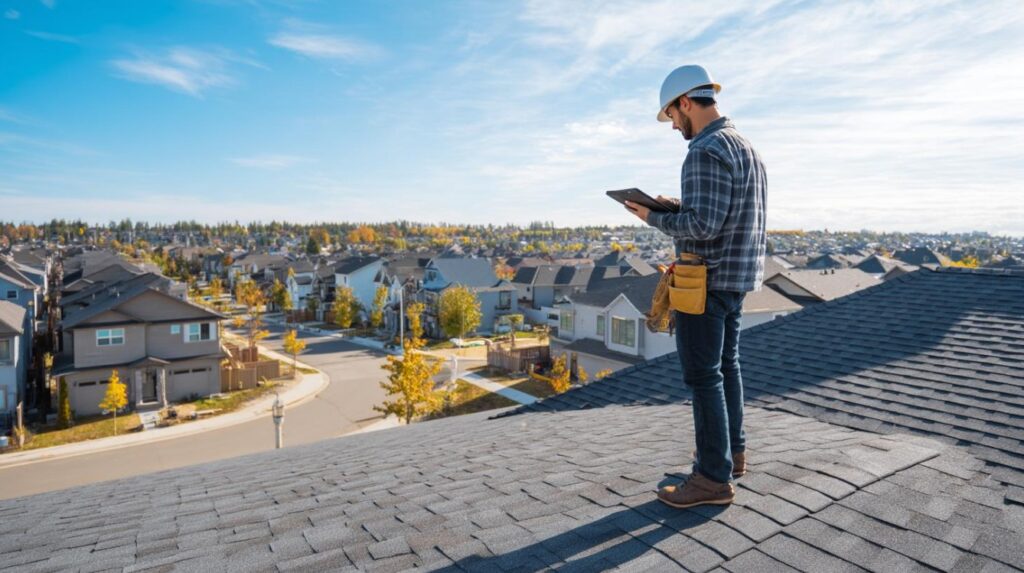
There are six situations when a roof inspection is the right call, regardless of whether you suspect damage.
Spring After a Hard Winter
This is the most important inspection window of the year for Capital Region homeowners. Every winter in the Albany area brings freeze-thaw cycles, ice dam formation, snow loads, and wind events. Any one of those can create damage that is not visible from the ground. A spring inspection, scheduled from April through June, documents what the winter did and identifies repairs before they compound through the summer storm season. New York State’s Department of Financial Services recommends that homeowners review their property after severe weather events. A professional roof inspection is the most reliable way to document that review.
After a Significant Storm
Wind events, hail, and ice storms cause immediate damage that may not show up as an interior leak for months. Lifted shingles, cracked tabs, and impacted granule areas are only visible on close inspection. If the Capital Region has seen winds above 50 mph, a hailstorm, or a significant ice event, schedule an inspection within two weeks. For insurance claims, a documented inspection report from a professional contractor is the foundation of any successful claim.
Before You Buy or Sell a Home
A general home inspector evaluates the roof as one component among dozens. A roofing contractor inspection goes substantially deeper, examining every flashing transition, every penetration, and every component in detail. Before purchasing a Capital Region home, a dedicated pre-purchase roof inspection by a licensed roofing contractor will identify issues the home inspection may have missed. Before listing, knowing your roof’s condition lets you price accurately and avoid last-minute buyer negotiation surprises.
New York State law requires sellers to complete a property condition disclosure report. While that disclosure is not a substitute for a professional inspection, knowing your roof’s true condition before filling it out protects you from discrepancy disputes during a sale.
When Your Roof Is More Than 15 Years Old
Architectural asphalt shingles carry 30-year manufacturer warranties, but in Upstate New York’s climate, meaningful wear typically accelerates after 15 to 18 years. A roof in that age range that has never been professionally inspected has almost certainly developed conditions that merit attention. Catching them now can extend the roof’s useful life. Ignoring them risks an unpleasant discovery at the worst moment.
Before a Major Renovation or Addition
Planning a deck, addition, solar installation, or HVAC upgrade? Any of those projects involves work near or connected to the roof system. Knowing your roof’s current condition before that work begins ensures you are not covering up existing problems and gives your contractor the information needed to plan properly.
If You Notice Any of These Inside Your Home
Water stains on ceilings or upper walls. Peeling or bubbling paint on exterior siding near the roofline. A musty odor in the attic or upper floors. Visible light entering the attic from above. Any of those are active signals that something has already failed. Do not wait for the next rainstorm to confirm it.
What Happens During a Top Gen Roofing Inspection
Here is exactly what to expect when you schedule a free roof inspection with Top Gen Roofing in Albany, Clifton Park, Saratoga Springs, Schenectady, Troy, or anywhere in the surrounding Capital Region.
| Step | What We Do | Why It Matters |
|---|---|---|
| 1. Ground-Level Assessment | Walk the perimeter; check visible shingles, gutters, fascia, and drainage | Identifies obvious issues and sets context before going up |
| 2. Roof Surface Inspection | Walk the roof surface; inspect shingles, flashing, valleys, and penetrations | Finds damage not visible from the ground |
| 3. Flashing and Transitions | Examine every chimney, wall, skylight, and pipe boot for seal integrity | Flashing failure is the leading source of leaks in this region |
| 4. Attic Check (if accessible) | Inspect sheathing, ventilation, and signs of moisture or mold | Interior damage often runs ahead of visible exterior damage |
| 5. Photo Documentation | Photograph all findings, including close-up damage areas | Provides evidence for your records and for insurance claims |
| 6. Honest Findings Review | Walk you through what we found in plain language, including when no repair is needed | You leave with a clear picture and can make an informed decision |
Total time is typically 45 to 90 minutes depending on the size and complexity of the roof. You do not need to go on the roof; the inspector handles that and reviews all findings with you at the end.
Schedule your free inspection today. No pressure, no obligation. We will tell you exactly what your roof needs, including when the honest answer is that nothing is needed yet.
📞 (518) 633-2477 | Book Online
Understanding Your Inspection Findings
After the inspection, findings typically fall into one of four categories. Understanding what each means helps you make decisions with confidence.
Roof Is in Good Condition: No Action Required
This is a valid and common outcome, particularly for roofs under 15 years old. The inspection confirms your roof is performing well, provides a baseline for future inspections, and gives you peace of mind heading into the summer storm season. Top Gen Roofing will tell you this plainly if it is what we find. We do not invent problems that are not there.
Minor Issues: Maintenance or Targeted Repairs
Common findings in this category include a small number of cracked or lifted shingles, minor flashing sealant gaps, a loose pipe boot, or clogged gutters creating drainage problems. Targeted roof repairs in this category typically run a few hundred to a few thousand dollars and can extend the life of an otherwise sound roof by several years. Acting on these findings early is almost always less expensive than waiting.
Significant Wear: Approaching End of Useful Life
A roof that is 18 to 22 years old with widespread granule loss, multiple flashing issues, and early cracking may still be functional but is approaching the end of its reliable service life. In this scenario, Top Gen Roofing gives you an honest assessment: how much repair would cost, how many additional years that buys, and what a roof replacement would involve. You make the call with real numbers in front of you.
Active Problems Requiring Immediate Attention
Active water infiltration, structural compromise, or multiple simultaneous failures require prompt action. If the inspection uncovers an active leak path, we address emergency stabilization and walk you through repair or replacement options with transparent pricing. Top Gen Roofing offers roof leak repair throughout the Capital Region.
Roof Inspections and Insurance Claims in Upstate New York
If your Capital Region home has been through a significant storm event such as wind, hail, ice, or a fallen tree, your homeowners insurance may cover some or all of the resulting roof damage. A professional inspection from a licensed roofing contractor produces exactly the documentation insurance adjusters need: photos, written findings, and a scope of damage that clearly identifies the cause.
Without that documentation, you are relying on an adjuster who may spend 15 minutes on site to assess what a trained roofer covers in 90. Getting your own inspection completed before the adjuster visit strengthens your claim and reduces the chance that covered damage goes undocumented.
The New York State Department of Financial Services advises homeowners to document all property damage thoroughly after a weather event and to report claims promptly. A written inspection report from a licensed roofing contractor is the most reliable form of that documentation.
Top Gen Roofing assists homeowners throughout Albany, Clifton Park, Saratoga Springs, Schenectady, and Troy with storm damage documentation and the insurance claims process.
Roof Inspection vs. Home Inspection: What Is the Difference?
When buying a home in the Capital Region, you will receive a general home inspection as part of the transaction. Home inspectors are generalists who evaluate foundations, electrical systems, plumbing, HVAC, and roofing as part of a whole-home review. Their roofing assessment is typically a visual scan of the shingles and gutters from ground level or the edge of the roof.
A dedicated roofing inspection by a licensed roofing contractor goes considerably further. It covers every flashing transition, every penetration, the attic assembly, and the ventilation system in a level of detail that a general inspection does not attempt. If a home inspector notes that shingles appear to be at the end of their useful life and further evaluation is recommended, that evaluation is a contractor inspection.
New York State licenses home inspectors under Article 12-B of the Real Property Law, but that license covers general home condition assessment, not specialized roofing system analysis. A roofing contractor inspection provides the deeper, system-specific review that protects buyers and sellers from expensive surprises.
For Capital Region homebuyers, the cost of a dedicated roof inspection before closing is almost always less than the cost of a surprise repair after moving in.
How Often Should You Get a Roof Inspection in the Capital Region?
For most Albany-area homeowners, the right schedule is:
- Once a year for roofs more than 15 years old
- Every two to three years for newer roofs in good condition
- After any significant storm event, regardless of the regular schedule
- Before listing or buying a home
- Before any major renovation that affects or connects to the roof
The Capital Region’s four-season climate puts more cumulative stress on roofing systems than most of the country. Annual inspections on older roofs are not excessive. They are the practical way to manage a system that is constantly exposed to ice, heat, wind, and rain. The National Roofing Contractors Association recommends professional inspections twice yearly for most residential roofs in high-stress climates, with the spring inspection being the most critical after a northern winter.
Get a Free Roof Inspection from Top Gen Roofing
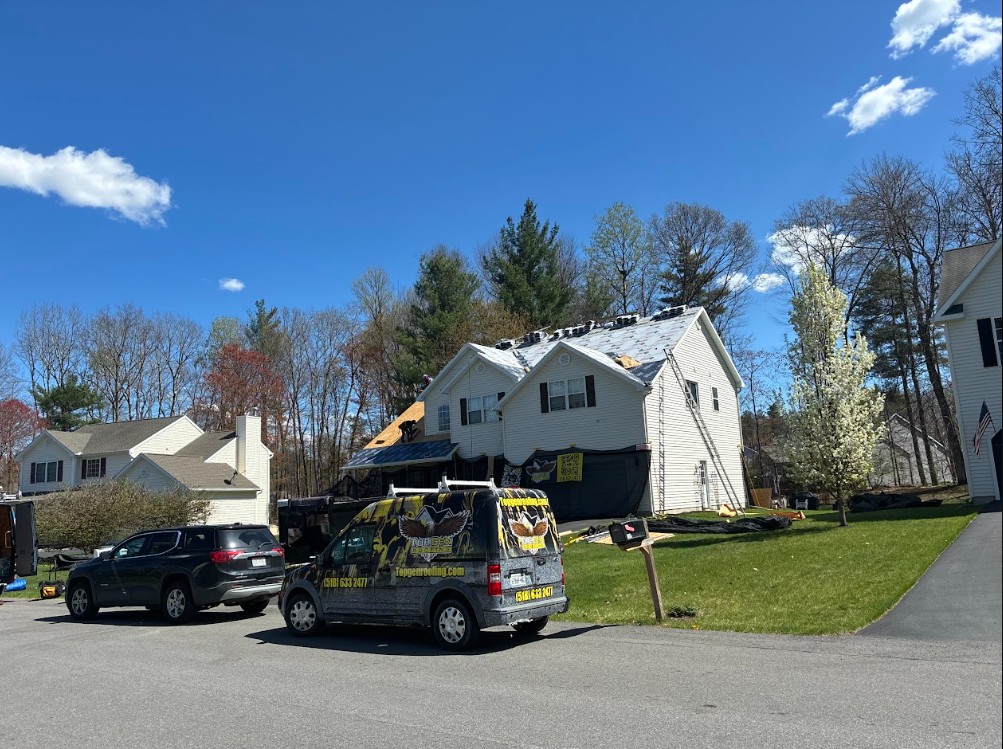
Top Gen Roofing is based in Clifton Park and serves homeowners across the Capital Region, including Albany, Clifton Park, Saratoga Springs, Schenectady, Troy, Round Lake, and every surrounding community.
Our inspections are free, thorough, and honest. We photograph every finding, walk you through what it means, and give you a clear recommendation, whether that is nothing for now, a targeted repair, or a replacement conversation. We do not push a sale when a repair is the right answer.
If your roof is more than ten years old, if you noticed anything unusual since last winter, or if you just want a clear picture of where things stand before summer, the inspection is the right next step.
Book your free roof inspection today. We serve Albany, Clifton Park, Saratoga Springs, Schenectady, Troy, Round Lake, and all surrounding Capital Region communities.
Schedule Online: Free, No Obligation
Frequently Asked Questions
How much does a roof inspection cost in Albany, NY?
Top Gen Roofing provides free roof inspections for homeowners throughout the Capital Region. There is no fee and no obligation. You receive a thorough inspection with photo documentation and an honest assessment of your roof’s condition.
How long does a roof inspection take?
A thorough residential roof inspection typically takes 45 to 90 minutes, depending on the size of the home and the complexity of the roof. Homes with multiple penetrations, steep pitches, or accessible attic spaces take longer. You do not need to go on the roof; the inspector handles that and reviews all findings with you at the end.
What does a roof inspection include?
A complete professional roof inspection covers the full shingle surface, all flashing at chimneys, walls, valleys, skylights and pipe boots, gutters and drainage, soffit and fascia condition, drip edge, roof deck condition where accessible, and attic ventilation and moisture signs. Top Gen Roofing photographs all findings and provides a written summary.
Do I need a roof inspection after a storm in Albany?
Yes. Wind events, hail, and ice storms cause damage that is not visible from the ground and may not show up as an interior leak for weeks or months. A post-storm roof inspection documents damage while it is fresh, supports insurance claims, and identifies repairs before they compound. Top Gen Roofing serves all Capital Region communities and can typically schedule within a few days of a major storm event.
Can a roof inspection help with my insurance claim?
Yes. A professional inspection report with photo documentation is the foundation of a successful storm damage insurance claim. Insurance adjusters conduct general assessments, while a contractor inspection documents specific damage, its cause, and its scope in the detail that supports full claim coverage. Top Gen Roofing assists homeowners throughout Albany, Clifton Park, Saratoga Springs, Schenectady, and Troy with storm damage documentation and insurance navigation. The New York State Department of Financial Services recommends thorough documentation before filing any property damage claim.
How is a roof inspection different from a home inspection?
A general home inspection covers roofing as one of many systems and typically involves a visual surface scan. A dedicated roof inspection by a licensed roofing contractor examines every flashing transition, every penetration, attic ventilation, and deck condition in detail. For homebuyers in the Capital Region, a dedicated roofing inspection in addition to a general home inspection is the more complete protection.
Will the inspector tell me I need a new roof even if I don’t?
No. Top Gen Roofing gives honest findings. If your roof is in good condition, we say so. If a small repair is all that is needed, we recommend the repair. We explain all options and let you decide. We do not recommend replacement when repair is the right answer.
How often should I get a roof inspection in the Capital Region?
For roofs more than 15 years old in the Albany area, annual inspections are recommended. For newer roofs in good condition, every two to three years is appropriate. Always schedule after a significant storm event regardless of the regular schedule. The Capital Region’s climate puts above-average stress on roofing systems, and annual maintenance inspections on older roofs consistently prevent more expensive problems.
Does Top Gen Roofing inspect roofs in Clifton Park, Saratoga Springs, and Troy?
Yes. Top Gen Roofing provides free roof inspections throughout the Capital Region, including Albany, Clifton Park, Saratoga Springs, Schenectady, Troy, Round Lake, Latham, Guilderland, Malta, Colonie, and all surrounding communities. Call (518) 633-2477 to schedule.