


If you’re trying to decide between a roof tune-up vs full inspection, you’re not alone. Homeowners and property managers across Residential Roofing and Commercial Roofing situations face this exact question when they notice minor wear, receive a maintenance reminder, or want to get ahead of potential damage. This article breaks down both options clearly so you can choose the service that actually fits your situation.
Key Takeaways
- A roof tune-up focuses on minor repairs and preventive maintenance, while a full inspection provides a comprehensive evaluation of your entire roofing system.
- A tune-up is best for roofs in generally good condition that need targeted maintenance, while a full inspection is better when damage is suspected or unknown.
- Roof tune-up cost is typically lower than a full inspection paired with repairs, making it a practical option for routine upkeep.
- Both services protect your investment by catching problems before they escalate into costly roof replacement projects.
- Consulting a licensed roofing contractor helps you determine which option delivers the most value for your specific roof age and condition.
Quick Overview of Roof Tune-Up vs Full Inspection Options
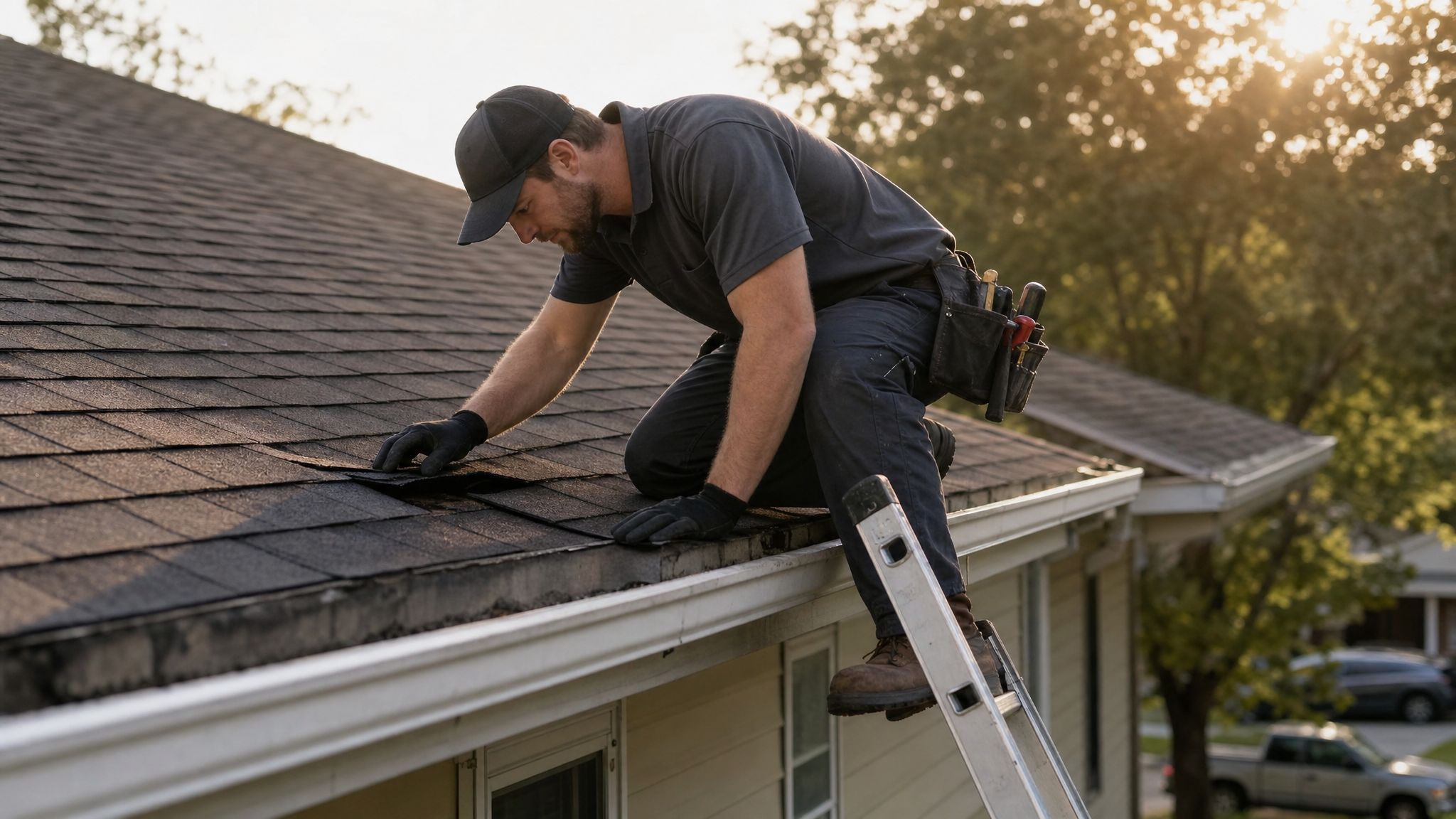
A roof tune-up addresses minor maintenance items and small repairs in one visit. A full roof inspection is a systematic evaluation of every component of your roofing system, typically documented in a written report. Both services support the long-term health of your roof, but they serve different purposes at different stages of a roof’s life.
Understanding the distinction helps you avoid paying for more than you need or, equally costly, settling for less than your roof actually requires.
Who Each Option Is For
A roof tune-up is designed for homeowners whose roofs are in reasonably good condition but could benefit from targeted attention. If your roof is 5 to 15 years old, has a few loose or missing shingles, and hasn’t been serviced in the past two years, a tune-up is often the right starting point. A full roof inspection is the appropriate choice when you’re purchasing a home, filing an insurance claim after Storm Damage Roofing events, seeing signs of interior water damage, or approaching the end of your roof’s expected lifespan.
It’s also the right call when you have no recent record of professional roof service.
Key Differences at a Glance
| Feature | Roof Tune-Up | Full Roof Inspection |
|---|---|---|
| Primary purpose | Preventive maintenance and minor repairs | Comprehensive condition evaluation |
| Typical duration | 1 to 2 hours | 2 to 4 hours |
| Deliverable | Repairs completed on-site | Written report with photos and findings |
| Best for | Routine upkeep, mid-life roofs | Home sales, storm damage, aging roofs |
| Typical cost range | $150 to $400 (approx.) | $200 to $600 (approx.) |
| Roof age fit | 5 to 15 years | Any age, especially 15+ years |
Side-by-Side Comparison
Understanding how these two services actually perform in practice makes the decision easier when you’re standing in front of a contractor and weighing your options.
Performance and Durability
A roof tune-up delivers immediate, hands-on value. A contractor seals exposed nail heads, replaces a handful of damaged shingles, re-secures flashing around chimneys and vents, and clears debris from valleys and gutters. These are actions that prevent water intrusion right now rather than simply documenting the risk.
In our experience, this targeted Roof Repair work extends service life noticeably on roofs that are structurally sound but showing early wear. A full roof inspection delivers documented knowledge. The contractor walks the entire roof surface, examines the attic for signs of moisture, ventilation problems, or structural stress, and reviews every component including underlayment, ridge caps, step flashing, and soffits.
According to Werner Roofing, a thorough exterior evaluation is a critical baseline before making any significant roofing decision.
Cost and Maintenance Tradeoffs
Roof tune-up cost is generally lower upfront because the scope is limited. You’re paying for labor and a small amount of materials to address visible, accessible issues. The tradeoff is that a tune-up doesn’t uncover hidden structural problems or document your roof’s overall condition for insurance purposes.
A full inspection may cost more initially, but the written report can support insurance claims, real estate transactions, and long-term budgeting for eventual roof replacement. If a full inspection reveals only minor wear, that finding alone confirms your roof doesn’t need expensive work anytime soon. We’ve seen that confirmation save homeowners thousands of dollars by giving them confidence to wait rather than replace prematurely.
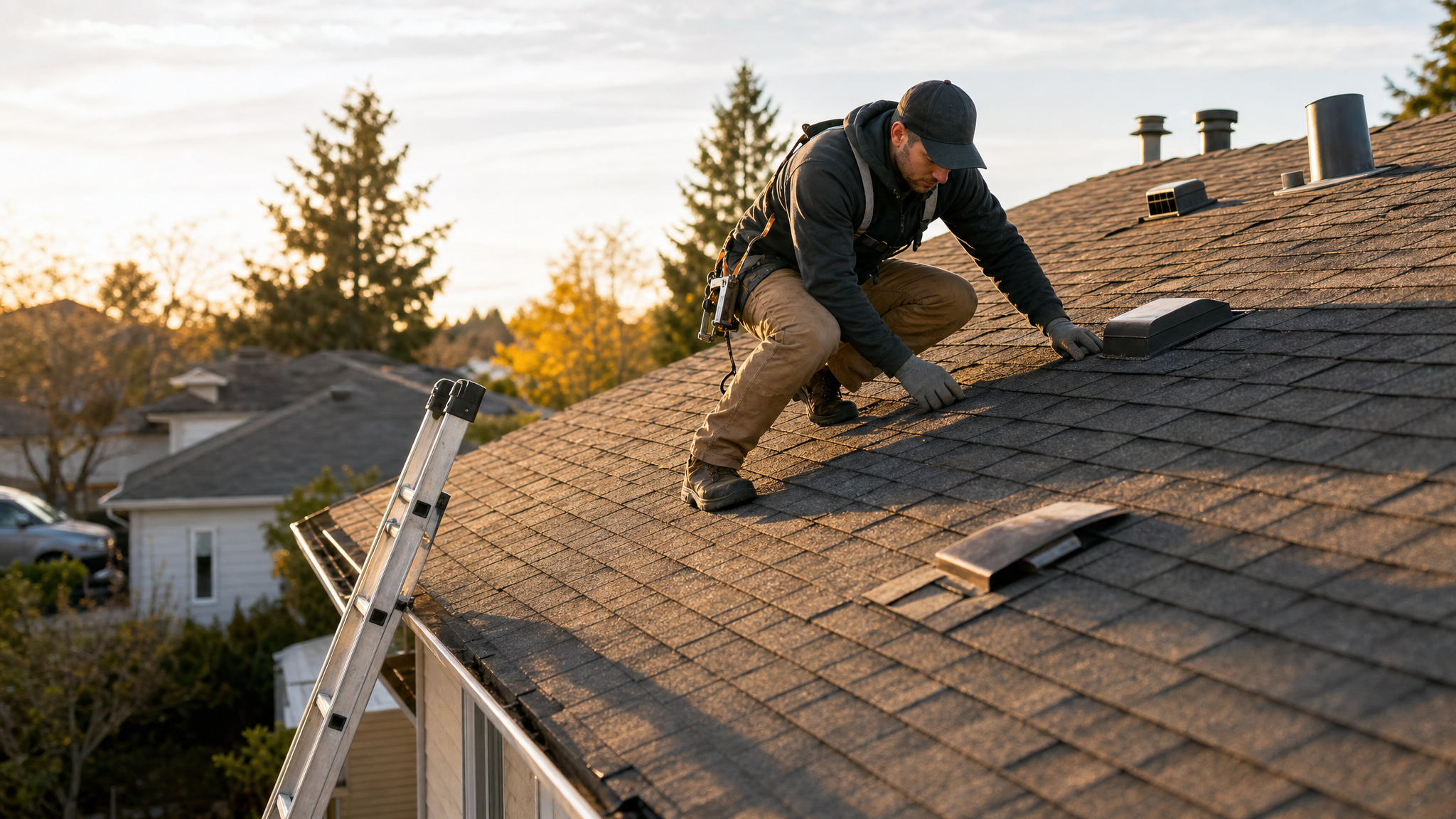
Choose a roof tune-up when:
- Your roof is between 5 and 15 years old and structurally sound
- You’ve had a recent inspection and just need follow-up maintenance
You want to extend roof life without a major expenditure You’re preparing for a seasonal weather change, particularly before winter Choose a full inspection when:
How to Choose the Right Option
The right service depends on three factors: your roof’s age, your roof’s known condition, and your immediate goal.
Decision Checklist
Use this checklist to identify which service fits your situation:
| Question | Yes | No |
|---|---|---|
| Is your roof less than 15 years old? | Lean toward tune-up | Consider full inspection |
| Has your roof been inspected in the last 2 years? | Tune-up may suffice | Full inspection recommended |
| Do you see interior water stains or soft spots? | Full inspection required | Either may apply |
| Are you buying or selling the property? | Full inspection required | Either may apply |
| Did a storm recently impact your area? | Full inspection recommended | Tune-up may be adequate |
| Are you doing routine seasonal maintenance? | Tune-up is the right fit | N/A |
Questions to Ask Before Buying
Before you schedule either service, ask your roofing contractor these questions directly:
- What does the service include and exclude?
- Will I receive a written report, photos, or both?
- If additional damage is found during a tune-up, how will that be communicated and priced?
- Is this service covered under any workmanship warranty?
- Do you carry liability insurance and workers’ compensation?
When working with clients on Roof Installation and routine maintenance decisions, we find these five questions separate transparent contractors from those who expand scope without approval. The importance of regular roof inspections and the value of both tune-ups and inspections only materializes when performed by a qualified professional. If you’re searching for a trusted local contractor, Top Gen Roofing serves homeowners and commercial property owners across the Capital Region and surrounding areas.
Conclusion and Recommendation
Neither a tune-up nor a full inspection is universally better. Each one solves a specific problem at a specific point in your roof’s lifecycle.
Summary Table
| Scenario | Recommended Service |
|---|---|
| Routine maintenance, roof under 15 years old | Roof tune-up |
| Post-storm damage evaluation | Full inspection |
| Home purchase or sale | Full inspection |
| Interior leaks or visible water damage | Full inspection |
| Pre-winter or pre-season upkeep | Roof tune-up |
| No recent professional service on an older roof | Full inspection |
Next Steps
If your roof is in reasonable condition and you want to maintain it proactively, a tune-up is a practical, cost-effective starting point. If you have any uncertainty about structural integrity or need a documented assessment, schedule a full inspection first. Top Gen Roofing provides both services with a focus on honest evaluation and quality workmanship across Residential Roofing and Commercial Roofing properties throughout the Capital Region.
You can also request a free roof inspection to get a professional assessment before committing to any service. According to Bone Dry Roofing, proactive roof maintenance is one of the most cost-effective strategies property owners can adopt to extend roof lifespan and avoid premature replacement. If you’re ready to move forward, contact Top Gen Roofing for a professional assessment and a recommendation tailored to your home or property.
Frequently Asked Questions
How often should a roof tune-up be done? Most roofing professionals recommend scheduling a roof tune-up every one to two years for roofs in good condition. Homes in areas with harsh winters, frequent storms, or heavy tree coverage may benefit from annual service to address recurring wear before it escalates.
What does a roof tune-up actually include?
A standard tune-up typically covers re-sealing exposed nail heads, replacing a small number of damaged or missing shingles, securing loose flashing around chimneys, skylights, and vents, clearing debris from roof valleys, and a visual walk-through of the accessible roof surface. The scope can vary by contractor, so always confirm what’s included before the visit.
Can a tune-up replace a full inspection?
No. A roof tune-up vs full inspection comparison makes clear that the two services serve different purposes. A tune-up addresses known minor issues; an inspection evaluates the overall condition of every roof component and produces a documented report.
You may need both at different points in your roof’s life, sometimes in the same year.
How much does a roof tune-up cost?
Roof tune-up cost typically ranges from $150 to $400 depending on your location, roof size, roof pitch, and the scope of minor repairs included. Top Gen Roofing offers a straightforward $249 roof tune-up with a defined scope so you know exactly what you’re getting.
Is a full roof inspection worth it if my roof looks fine?
Yes, in many cases. A roof can look fine from the ground while still having damaged underlayment, compromised flashing, or early-stage moisture infiltration inside the attic. A full professional roof inspection provides visibility that a ground-level visual check simply cannot match.
It’s especially worthwhile before any major weather season or before making assumptions about remaining service life.
What happens if the inspector finds major damage during a tune-up visit?
A responsible roofing contractor will document what they found and present you with options before doing any work beyond the original scope. This is a key reason to choose a contractor who communicates clearly and provides written estimates. You should never be surprised by a contractor who expands scope without your approval.
Expert Answers
The most common mistake homeowners make is assuming a tune-up substitutes for a proper evaluation. If your roof is over 15 years old or you’ve had significant weather events in your area, start with a full inspection. The written report gives you a defensible baseline if you ever need to file an insurance claim or negotiate during a home sale.
For roofs in good mid-life condition, a tune-up every one to two years is a smart, low-cost strategy to extend service life without committing to a full Roof Replacement budget. Think of it the way you think about an oil change versus a full vehicle diagnostic: both are necessary, but at different times and for different reasons. According to CertainTeed Roofing, roofing systems perform best when they receive consistent maintenance throughout their lifespan, not just reactive attention after visible problems appear.
That principle applies whether you’re managing a single-family home or a Commercial Roofing property with a flat or low-slope roof system.