


Key Takeaways
- Labor, roof complexity, and material quality are the three biggest cost drivers in any roofing estimate.
- Hidden line items like underlayment, flashing, deck repair, and permits can add 15-30% to a base quote.
- A low estimate is often a warning sign, not a deal, especially when scope details are missing.
- Regional labor rates and seasonal demand affect pricing in markets like Saratoga Springs, NY.
- Comparing estimates by line item, not just total price, is the only reliable way to spot the difference between value and risk.
The Real Cost Drivers Behind Roofing Estimates
A roofing estimate reflects labor complexity, material quality, structural conditions, and local compliance requirements, not just square footage (roofing price guide).Understanding each line item helps you compare quotes on equal terms (cost guide roofing) (roofing pricing guide).
Every solid roofing price guide starts with the same reality: two homes the same size can carry very different price tags. The gap usually comes down to three variables: how hard the job is to execute, what materials are specified, and what local requirements apply. Knowing which category each line item falls into puts you in control of the conversation.
Relevant expertise includes Commercial Roofing, Shingle Roofing, Project Estimation (roofing price guide).
Labor and Installation Complexity
Labor typically accounts for 40, 60% of a roofing estimate, and that range shifts based on how complicated the install actually is (roofing price guide).A straightforward ranch-style home with a low-pitch roof and a single layer of shingles takes far less crew time than a multi-gabled Victorian with dormers, skylights, and steep angles.
Every valley cut, every penetration around a chimney or vent pipe, and every custom flashing detail adds time. In our experience, doing those details right is precisely what prevents leaks five years down the road. Cutting labor costs on complex geometry usually means cutting corners.
Roof Pitch, Size, and Structural Challenges
Roof pitch (the steepness of the slope) directly affects both labor time and safety requirements. Low-pitch roofs allow faster installation with standard equipment. Steep-pitch roofs require harnesses, additional staging, slower movement, and sometimes specialized crews, all of which add to your final number.
Roof size is measured in squares (one square equals 100 square feet of roof surface). A larger surface area means more materials and more labor hours. Pitch also increases the actual surface area beyond what the floor plan suggests, so a 2,000-square-foot home with a steep roof may require 30, 40% more material than the ground footprint implies.
Permits, Inspections, and Compliance
Most jurisdictions require a permit for full Roof Replacement, and some require one even for significant Roof Repair work. Permit fees vary by municipality, but skipping the permit to save money creates real liability: failed inspections, voided warranties, and complications when you sell the home.
A contractor who includes permits and inspection scheduling in their estimate is doing the job correctly. One who suggests skipping the permit process to keep costs down is passing that risk directly onto you.
Material Costs and Quality Tiers
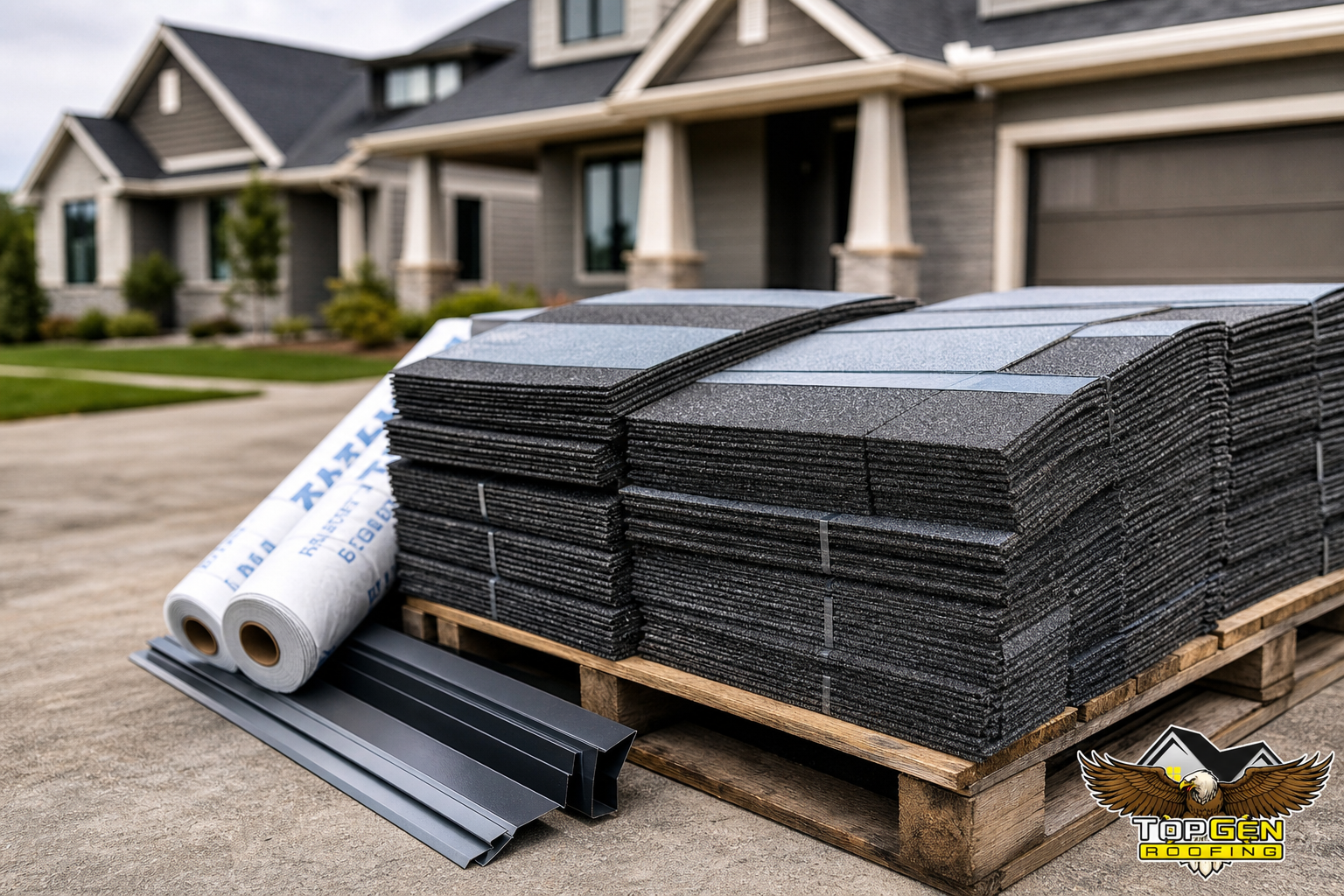
Material selection is the most direct lever you have over your final cost (roofing price guide).This roofing cost guide section breaks down every material tier by upfront price, longevity, and climate performance so you can compare options on equal terms. Every tier involves trade-offs worth understanding before you sign an estimate.
Asphalt Shingles vs. Metal, Tile, and Composite
Standard shingles remain the most widely installed Residential Roofing material in the United States because they balance affordability, availability, and performance (roofing price guide).Three-tab products sit at the entry-level price point. Architectural (dimensional) variants cost more but deliver better wind resistance and a longer rated lifespan.
The table below shows approximate installed cost ranges by material type. These are general market figures; your local labor rates and supplier pricing will affect the actual quote.
| Material | Typical Installed Cost (per square) | Lifespan Estimate | Notes |
|---|---|---|---|
| 3-tab asphalt shingles | $200-$350 | 15-20 years | Entry-level; limited wind rating |
| Architectural asphalt | $300-$500 | 25-30 years | Most common residential choice |
| Metal (standing seam) | $600-$1,200 | 40-70 years | Higher upfront, lower long-term cost |
| Concrete/clay tile | $700-$1,400 | 40-50 years | Heavy; may need structural assessment |
| Composite/synthetic | $400-$800 | 30-50 years | Mimics slate/wood; lighter weight |
Premium Upgrades and Warranty Differences
Manufacturer warranties matter more than most homeowners realize. A lifetime limited warranty on architectural shingles applies only when a certified contractor installs them using the manufacturer’s specified system, which often includes a matching underlayment, starter strip, and ridge cap. Substituting cheaper components to trim the estimate voids the warranty tier you’re paying for.
Extended workmanship warranties from the contractor are a separate item. Ask whether the estimate includes a workmanship warranty and what the term is. A contractor confident in their crew doesn’t hesitate on this point.
Hidden Costs That Surprise Homeowners
Most estimate surprises fall into this category. These are real line items, not contractor padding, and they matter for the longevity of your new roof.
Underlayment, Flashing, and Ventilation
Underlayment is the moisture barrier installed directly on the roof deck before shingles go down. Felt underlayment is the low-cost option. Synthetic underlayment offers better tear resistance and moisture protection, and it costs more.
Ice-and-water shield, required along eaves and valleys in cold climates like Saratoga Springs, New York, adds cost but is essential for leak prevention.
Flashing is the metal work around every penetration: chimneys, skylights, vents, and wall intersections. Old flashing that is bent, corroded, or improperly sealed is a leading cause of roof leaks. Replacing it during a re-roof is smart practice, not an upsell.
Proper attic ventilation (intake at the soffits, exhaust at the ridge) extends shingle life by preventing heat and moisture buildup, so don’t skip it to trim the quote.
Roof Deck Repair and Structural Assessment
When the old roofing comes off, the contractor inspects the deck: the plywood or OSB sheathing underneath (roofing price guide).Rotted, soft, or delaminated sections must be replaced before new materials go down. No honest contractor can predict exactly how much deck damage exists before tear-off, which is why estimates often include a per-sheet allowance for deck repair.
We’ve seen estimates without any deck repair line miss significant hidden damage, leaving homeowners with unexpected change orders mid-project. If a contractor’s estimate includes zero deck repair, ask how they’re handling it. For more on what to expect during the full process, see what to expect during roof replacement.
Tear-Off vs. Overlay Expenses
Some jurisdictions allow installing new shingles over an existing layer (overlay or re-roof). This saves tear-off labor and disposal costs in the short term. However, most building codes limit the number of shingle layers, overlays add weight to the structure, and they prevent the contractor from inspecting the deck.
A full tear-off costs more upfront but gives you a clean Roof Installation over an inspected deck, which is almost always the better long-term decision.
Regional Variations and Market Factors
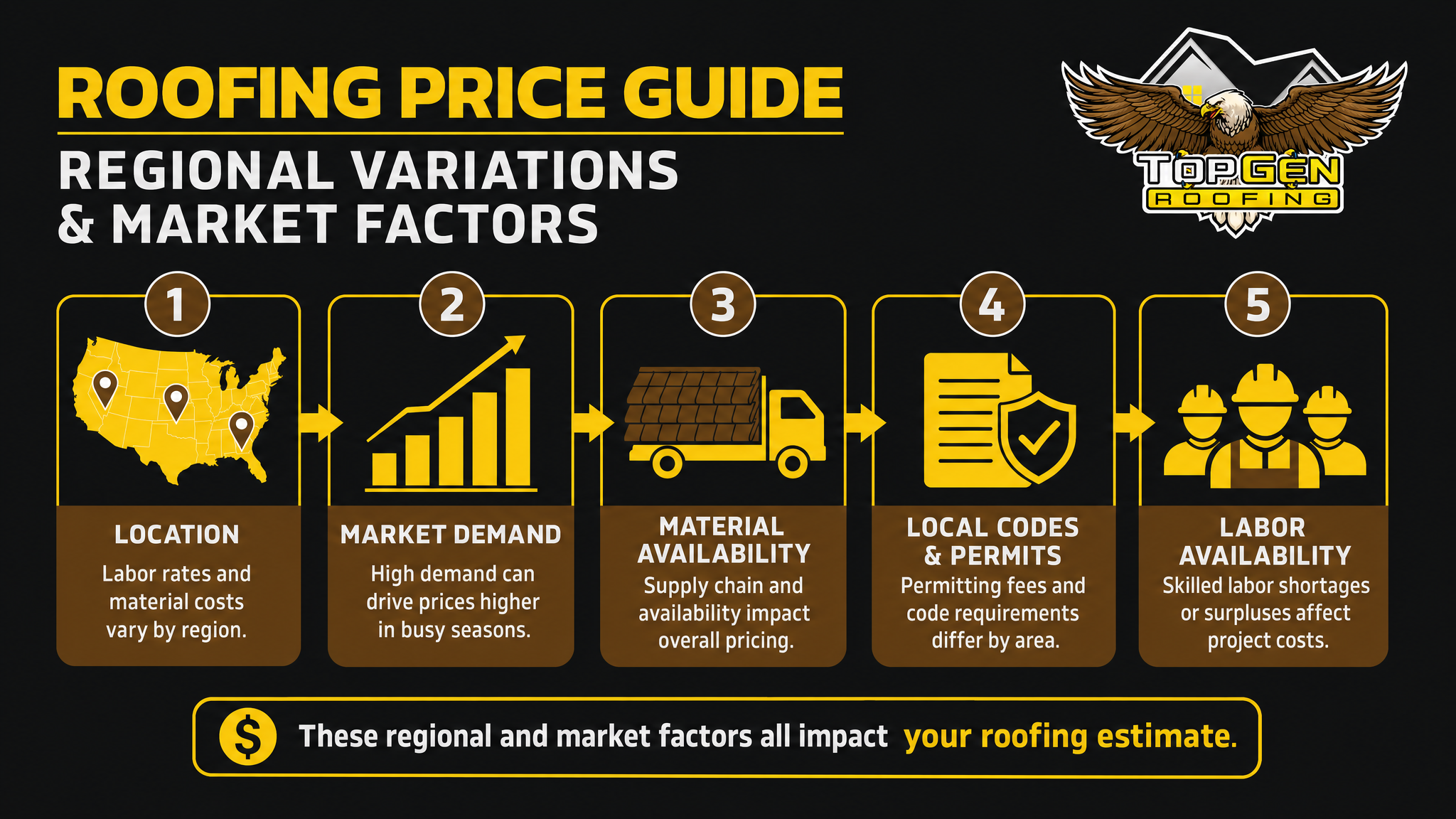
A pricing guide built on national averages can mislead you if you’re getting quotes in a specific market. Local conditions shift numbers more than most people expect.
Geographic Cost Differences and Local Labor Rates
Labor rates in the Capital Region of New York (including Saratoga Springs) reflect the local cost of living, union rates where applicable, and demand from a market with significant seasonal weather exposure. Northeast winters are hard on roofs: ice dams, freeze-thaw cycles, and heavy snow loads are real variables that contractors here account for in both material specs and installation methods.
Storm Damage Roofing repairs add another layer of urgency and cost variability after severe weather events. Contractors in lower cost-of-living regions may quote lower numbers for identical scopes, that doesn’t make your local quote inflated; it reflects the actual cost of doing business and sourcing materials in your area.
Seasonal Pricing and Supply Chain Impact
Booking a Roof Replacement in late fall or early winter, when contractor schedules open up, sometimes yields better availability. Supply chain disruptions also affect material costs: shingle prices and metal panel pricing have fluctuated with raw material and shipping costs in recent years, so locking in a quote and scheduling promptly protects your price.
How to Evaluate and Compare Roofing Estimates
Getting multiple quotes is smart. Comparing them the wrong way is where homeowners lose money.
Breaking Down Line Items and Scope Details
A thorough estimate specifies materials by brand, product line, and quantity, labor as a separate line, permit costs, underlayment type, flashing scope, and disposal fees. If you receive a quote that lists only a single total, ask for a line-item breakdown. You’re entitled to know what you’re buying.
Compare estimates at the line-item level. Two quotes with a $2,000 price difference may be quoting different materials, different warranty tiers, or different amounts of included deck repair. For help choosing the right roofing contractor, look beyond the total price and evaluate scope completeness.
The Housecall Pro guide to roofing prices also explains how contractors structure bids and what to expect in a detailed line-item breakdown.
Red Flags in Estimates That Are Too Low
Contractors who quote a low price to win the job, then add change orders once work begins, are a known pattern. When the original estimate lacks a clear scope, those additions are harder to dispute. A detailed written contract tied to a detailed estimate is your protection.
Getting Better Value Without Cutting Corners
Value in roofing doesn’t mean the cheapest option. It means the right materials, installed correctly, at a price that reflects the actual scope. There are legitimate ways to keep costs reasonable without compromising the result.
Strategic Material and Timeline Choices
Architectural shingles represent the best value for most residential roofs in the Northeast. They cost more than three-tab variants but carry a significantly longer rated lifespan, better wind resistance, and stronger warranty options. The price difference between entry-level and mid-grade products is often modest over the life of the roof.
Timing your project strategically matters. If your roof isn’t failing but is aging, scheduling a replacement before active damage occurs gives you more control over contractor selection, material choices, and timing. Emergency replacements after storm damage reduce your negotiating position and limit your scheduling options.
You can also ask your contractor about current promotions: Top Gen Roofing offers $500 off roof replacement for qualifying projects.
When to Upgrade and When to Keep It Simple
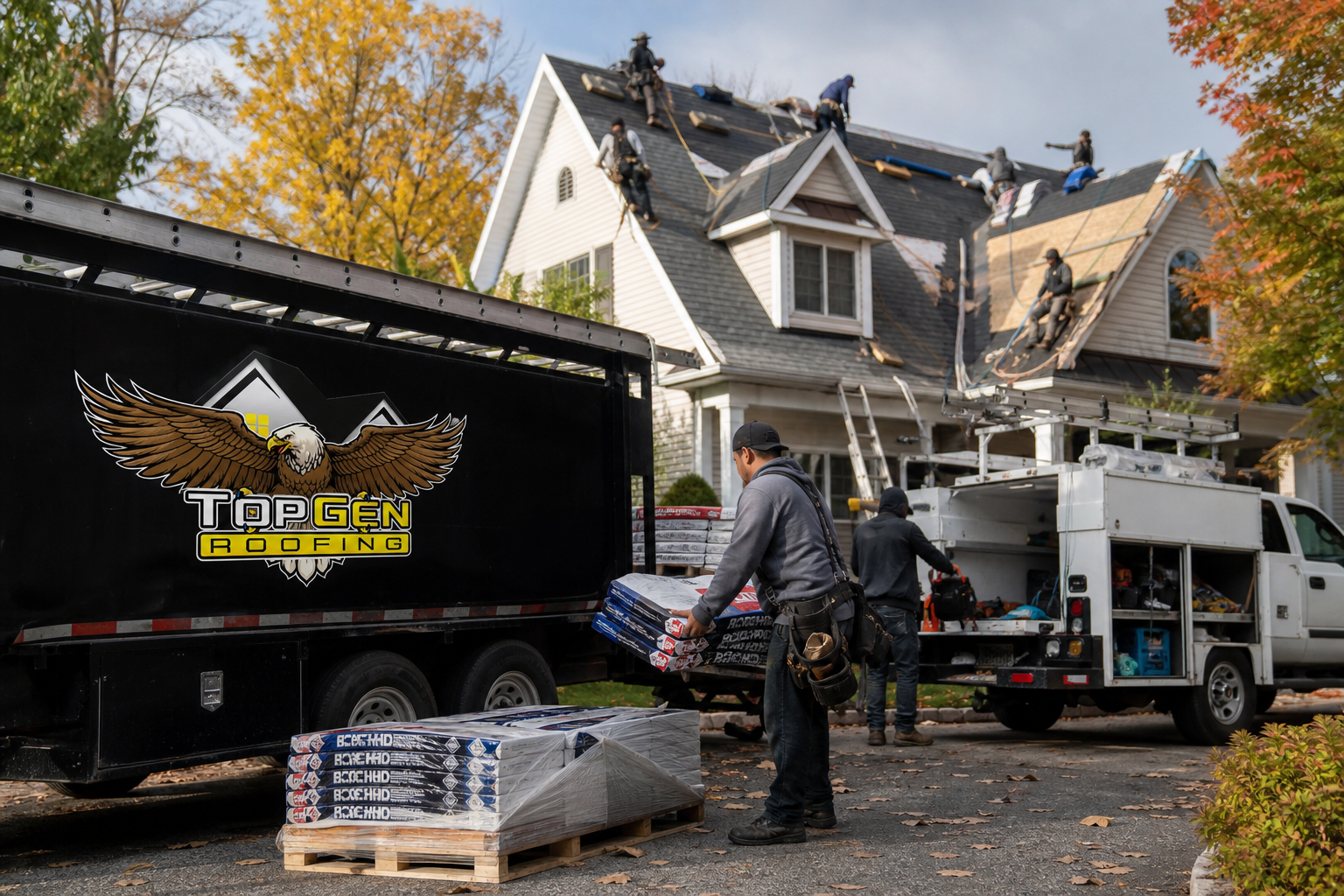
Not every home needs a premium material tier. A standard architectural shingle system installed on a properly prepped deck with quality underlayment and correct ventilation will outperform a premium shingle installed over a compromised deck. The foundation of the installation matters more than the brand name on the package.
Where upgrades make sense: steep-pitch roofs benefit from heavier shingles with higher wind ratings. Cold-climate homes in Saratoga Springs benefit from full ice-and-water shield coverage along eaves, valleys, and around every penetration. Homes with complex geometry benefit from premium flashing systems.
Spend where the weather and the roof’s design actually demand it. For a closer look at whether repair or replacement is the right call, the guide to essential roof repairs protecting your home covers that decision in detail.
Frequently Asked Questions
Why does a roofing estimate vary so much between contractors?
Scope differences are the most common reason.
Ask each contractor to clarify exactly what is and isn’t included before making a decision.
How do I know if a roofing estimate is fair?
A fair estimate is itemized, references specific materials by brand and product line, and accounts for permits, tear-off, and a deck repair allowance.
What is included in a typical roof replacement estimate?
A complete estimate covers material costs (shingles, underlayment, flashing, ridge cap, starter strips, drip edge), labor, tear-off and disposal of existing roofing, permit fees, deck repair allowance, and cleanup.
How much does deck repair add to a roofing project?
Deck repair costs depend on how much damaged sheathing is found after tear-off.
Is it worth paying more for a longer warranty?
Usually yes, provided the warranty covers both materials and workmanship.
A separate workmanship warranty from the contractor covers installation defects.
Does roof pitch actually change the price that much?
Beyond labor, pitch increases the actual surface area of the roof relative to its footprint, which means more material is needed than the floor plan square footage suggests.
How can I protect myself from estimate surprises after work starts?
Get everything in writing before work begins.
You can also review Top Gen Roofing’s frequently asked questions for more guidance on what to expect during a roofing project.
 FREE estimate within 24 hours Share a few details with Top Gen Roofing, we’ll help you choose the right next step. Get a free estimate |