


Key Takeaways
- The cheapest roofing quote is not automatically a red flag, but it demands closer scrutiny than a mid-range bid.
- Price gaps often trace to specific, identifiable differences: materials grade, labor experience, permit inclusion, and warranty terms.
- Getting three to four written quotes is cheapest roofing quote best practices that gives you a real market baseline.
- Low bids that exclude permits, underlayment, or disposal are rarely cheaper once those costs resurface.
- Vetting a contractor’s license, insurance, and manufacturer certifications matters more than the dollar figure on any single line.
Is the Cheapest Roofing Quote Always a Red Flag in 2026
Whether the cheapest roofing quote is a red flag depends entirely on what it includes. A low price backed by a licensed contractor, quality materials, and a written warranty is a fair deal. A low price that omits permits, underlayment, or proper disposal is not a bargain, it is a deferred expense.
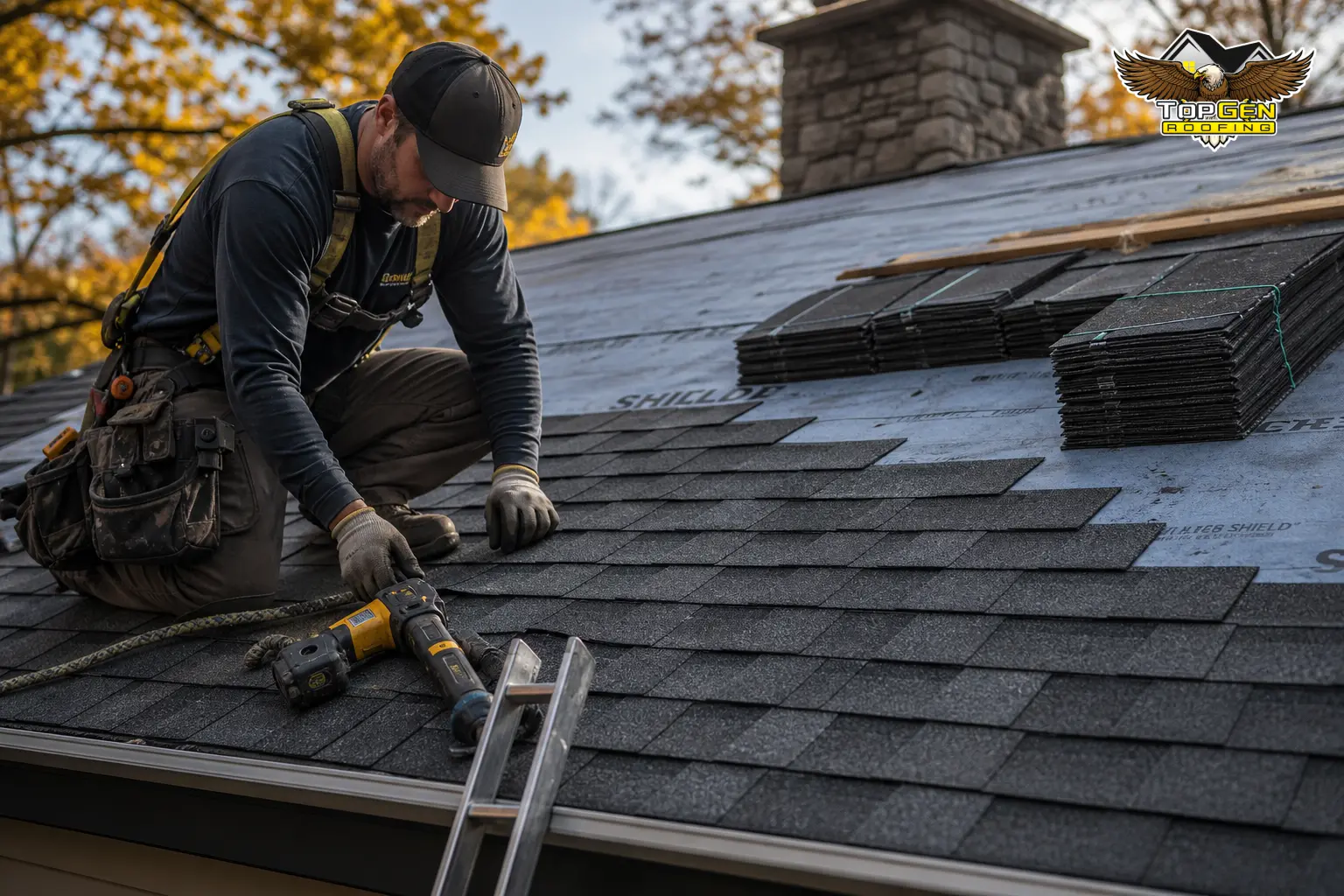
Understanding what "cheap" actually means requires a clear picture of what roofing legitimately costs in 2026. Prices vary by region, roof size, pitch, and material, but national cost ranges give you a solid anchor before you start collecting bids.
Typical Price Ranges
| Project Type | Typical Low | Typical High | Notes |
|---|---|---|---|
| Asphalt shingle replacement (avg. home) | $7,000 | $15,000 | 3-tab vs. architectural grade |
| Full tear-off and reroof | $9,000 | $20,000+ | Includes disposal and underlayment |
| Roof repair (minor) | $300 | $1,500 | Flashing, a few shingles |
| Flat/commercial membrane | $8,000 | $25,000+ | TPO, EPDM, or modified bitumen |
| Storm damage repair | $1,000 | $8,000 | Hail, wind, or fallen debris |
These are realistic ranges, not guarantees. A quote that falls significantly below the low end for your project type deserves an explanation before you sign anything.
What Drives the Final Quote
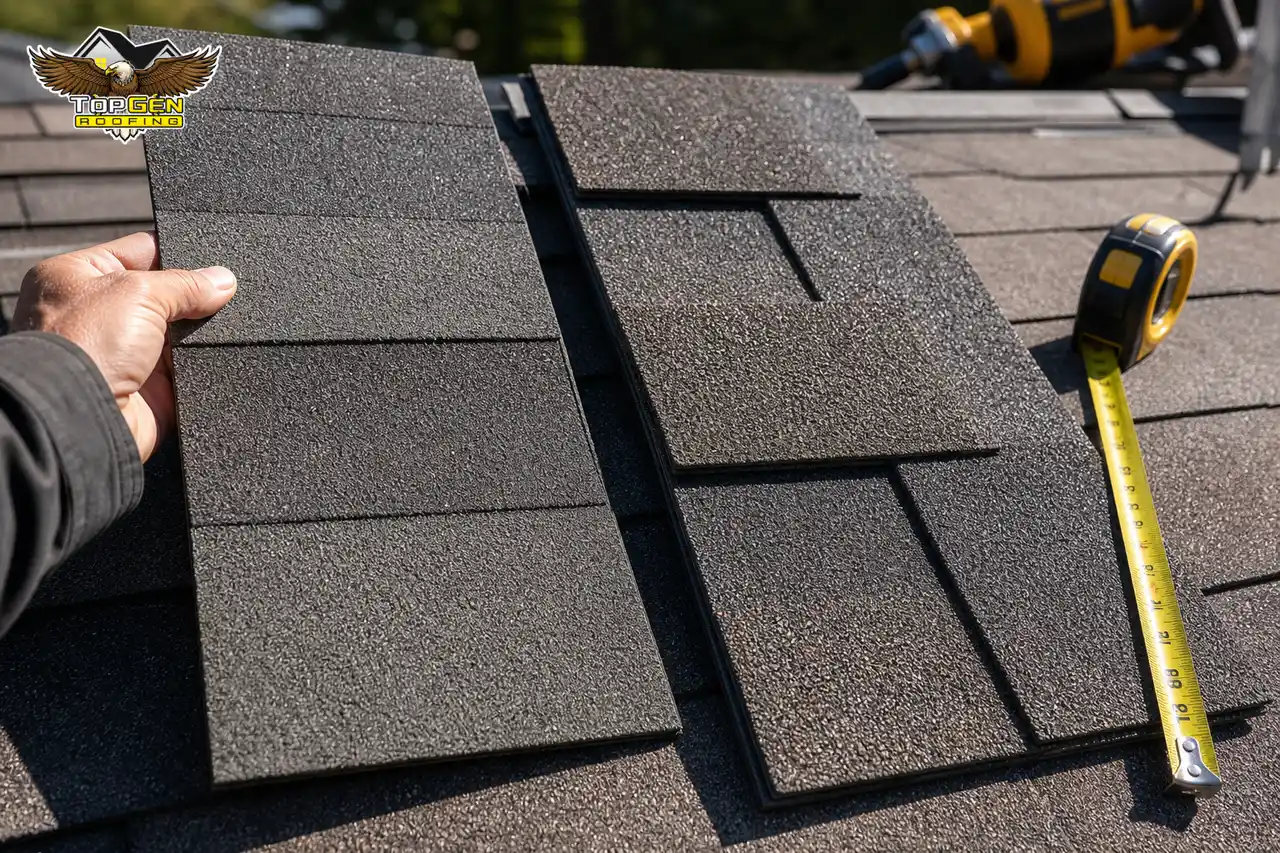
Material grade is the biggest single variable. Architectural shingles cost more than 3-tab but carry longer manufacturer warranties and hold up better under ice and wind loads common in upstate New York winters. Labor rates reflect crew experience, local wage standards, and whether the contractor carries workers’ compensation insurance.
Roof pitch also matters: steeper slopes require safety equipment, more time, and more physical risk, all of which add to legitimate labor costs.
Warranty terms are often invisible in a quote but carry real dollar value. A contractor offering a 30-year manufacturer warranty plus a separate workmanship warranty is protecting you against both material failure and installation error. That coverage costs something to provide.
Cost Breakdown by Project Type
Every roofing quote should break down into clear line items. If yours does not, ask for one. A single lump-sum number tells you almost nothing about where the money goes or what corners might be cut.
Materials vs Labor
For a standard asphalt shingle replacement, materials typically account for roughly 40 to 50 percent of the total cost, with labor making up the rest. That split shifts on complex roofs with multiple valleys, skylights, or steep pitches, where labor costs climb.
A contractor quoting well below market often achieves that price by sourcing cheaper shingles, using fewer layers of underlayment, skipping ice-and-water shield in critical areas, or paying uninsured labor. None of those shortcuts show up in big red letters on the quote. You have to ask directly what brand and grade of shingle is included and whether ice-and-water shield is applied at the eaves and valleys.
Permits, Disposal, and Extras
Permits are not optional. Most jurisdictions, including Saratoga Springs, require a building permit for full roof replacements. A contractor who says "we don’t pull permits" is passing that legal risk directly onto you as the property owner.
According to the National Roofing Contractors Association, unpermitted work can void manufacturer warranties and create problems at resale.
Disposal of the old roof system is another cost that low bids routinely exclude. Tearing off and dumping old shingles runs several hundred to over a thousand dollars depending on roof size and local landfill fees. If it is not in the quote, you are paying it later.
Before signing, check out what a full roof replacement process actually involves so you know what line items belong in every legitimate bid.
How to Estimate Your Budget Accurately
You don’t need to be a contractor to get a realistic number in your head before the first estimate arrives. A few simple inputs get you surprisingly close.
Measurement and Scope Factors
Roofing is measured in "squares," with one square equaling 100 square feet of roof surface. A 2,000-square-foot home with a moderately pitched roof typically has between 22 and 28 squares of actual roof surface once pitch is factored in. Multiply your estimated squares by the per-square cost of your chosen material and you have a rough materials budget.
Add labor, which varies by region but often runs between $150 and $300 per square for standard shingle work. Then add disposal, permits, flashing replacement, and any secondary repairs identified during the inspection. Running a basic roof inspection checklist before collecting quotes helps you anticipate scope issues a contractor will price into the bid anyway.
Hidden Costs to Plan for
Decking damage is the most common surprise. Once old shingles come off, contractors may find rotted or delaminated plywood sheathing that needs replacing. Budget a contingency of $500 to $1,500 for decking repairs on older roofs.
Chimney flashing, pipe boot replacements, and ventilation upgrades are other items that surface during tear-off.
Ways to Save Without Cutting Quality
Saving money on a roof is entirely possible. The key is knowing which variables are flexible and which ones protect the integrity of the work.
Timing and Financing Tips
Late summer through early fall is peak roofing season in the Northeast, which means crews are booked and prices reflect demand. Scheduling in late spring or late fall, when contractor calendars open up, can yield modest savings without compromising quality. Some contractors offer off-season pricing to keep crews working steadily.
Financing is another tool. Many reputable roofing companies offer payment plans that let you fund quality materials and skilled labor without stretching cash. This is especially useful when storm damage roofing is involved and insurance covers only a portion of the replacement.
Spreading the remaining balance over 12 to 24 months often costs less than the price difference between a quality job and a cheap one that fails early.
What Not to Cheap Out on
Ice-and-water shield, quality underlayment, and properly installed flashing are not places to accept substitutions. These components are the difference between a roof that handles a Saratoga Springs winter and one that leaks by February. Manufacturer certifications matter here too.
Contractors certified by brands like GAF or Owens Corning can offer extended system warranties that non-certified contractors simply cannot. For guidance on choosing the right roofing contractor, look beyond price to credentials and warranty access.
When to Get Multiple Quotes
Three to four written quotes is the practical standard for any project over $5,000. Below that threshold, two quotes usually give you enough market reference. The goal is not to find the cheapest number, it is to understand what a fair price looks like for your specific scope.
Red Flags in Low Bids
Is the cheapest roofing quote always a red flag? These specific patterns say yes:
| Warning Sign | What It Usually Means |
|---|---|
| No written contract or vague scope | Work scope and warranty are unenforceable |
| Payment demanded in full upfront | Contractor may not return after deposit |
| No local business address | Hard to pursue warranty claims or disputes |
| Excludes permits explicitly | Risk transfers to you as homeowner |
| Unusually short warranty (1 year or less) | Substandard materials or unconfident workmanship |
| No proof of liability or workers’ comp | You bear liability for on-site injuries |
Any one of these in a low bid is a reason to walk away. Two or more and you should not negotiate, you should decline.
Questions for Contractors
Ask every bidder the same set of questions so you can compare answers, not just numbers. Key questions include: Are you licensed and insured in New York State? Will you pull the permit?
What brand and grade of shingle are you quoting? What does your workmanship warranty cover and for how long? Do you carry workers’ compensation?
Can you provide local references from the past 12 months?
Contractors who hesitate on any of these are telling you something useful. For more on vetting your options, the Choosing the Best Roofing Company for Your Home guide walks through each criterion in detail.
Planning Your Next Step
Once you have your quotes, a short checklist keeps the decision process organized and prevents the most common mistakes.
Budget Checklist
- Confirm every quote includes the same scope: tear-off, disposal, underlayment, flashing, and permits.
- Verify the shingle brand, product line, and warranty tier in each bid.
- Check that each contractor carries current liability insurance and workers’ compensation.
- Confirm a workmanship warranty is in writing, not verbal.
- Set aside a contingency of at least 5 to 10 percent for unexpected decking or flashing repairs.
How to Move Forward
Once you identify a contractor who checks every box, move quickly. Crew schedules fill up, especially in the Capital Region from May through October. A signed contract with a clear start date protects both sides.
If you have had recent storm damage, document it thoroughly before repairs begin, and check your homeowner’s insurance policy for coverage before you commit to any bid. Reviewing practical steps for roofrepairs before your contractor arrives can also help you set realistic expectations about what the crew will find once work begins.
Frequently Asked Questions
Is the cheapest roofing quote always a red flag?
Not automatically. A low quote can reflect a contractor with lower overhead, efficient scheduling, or a smaller operation that passes savings to customers. The red flag appears when the price is low because critical items are missing: permits, quality underlayment, ice-and-water shield, or workers’ compensation insurance.
Compare line items across bids, not just the bottom-line number.
How many roofing quotes should I get before deciding?
Three to four written quotes is the practical standard for any full replacement or major repair. That range gives you enough data to spot outliers on both ends. A single unusually low bid against three similar mid-range bids is a clear signal to ask detailed questions before proceeding.
What should every roofing quote include in writing?
A complete written quote should specify the shingle brand, product line, and warranty tier; the underlayment and ice-and-water shield included; tear-off and disposal of the old system; permit fees; flashing replacement where needed; the workmanship warranty term; and a payment schedule. If any of those items are absent, ask for them before signing. Our frequently asked questions page covers additional contract terms worth reviewing.
Can I negotiate a roofing quote without losing quality?
Yes, within limits. Timing is the most effective lever: scheduling during slower seasons like late spring or late fall can reduce costs without changing materials or labor quality. Bundling related work, such as gutter repairs at the same time as a roof replacement, sometimes yields a combined discount.
What you should not negotiate away is material grade, permit inclusion, or warranty terms.
What happens if a contractor skips the permit?
You bear the legal and financial risk. Unpermitted roof work can void your manufacturer’s material warranty, create complications when you sell the home, and expose you to fines if the work is discovered during a future inspection. Always confirm permit responsibility in writing before work begins.
In New York State, building departments require permits for full replacements, and the homeowner, not the contractor, is typically the permit holder of record.
How do I know if a low bid uses inferior materials?
If a contractor cannot or will not name the product, that is your answer.
Does homeowner’s insurance cover the gap between a cheap quote and a quality one?
Insurance pays to restore your roof to its pre-loss condition using standard materials. It does not typically pay to upgrade materials beyond what was originally installed. If your existing roof had standard shingles, your insurer will cover the cost of comparable replacement materials.
Any upgrade to a premium shingle or impact-resistant product is usually an out-of-pocket difference. Document your roof’s current condition with photos before storm season so you have a clear baseline if a claim becomes necessary.
 FREE estimate within 24 hours Share a few details with Top Gen Roofing, we’ll help you choose the right next step. Get a free estimate |